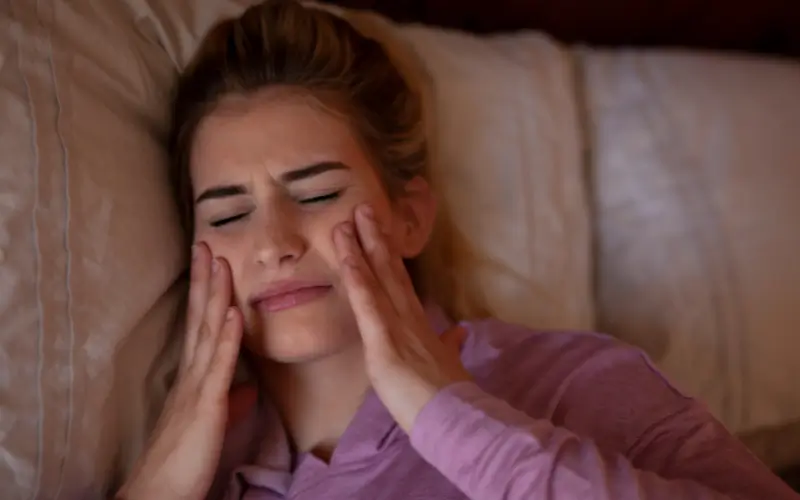
Most people have experienced the odd morning where the jaw feels tight, a tooth feels unusually sensitive, or a dull headache settles in before the day has properly started. For many, these moments come and go without much thought. Yet for others, they are part of a regular pattern, and that pattern often points to a condition called bruxism.
It can happen during the day, during sleep, or both, and it often goes unnoticed by the person doing it. Partners, family members, or dentists are usually the first to spot the signs. While bruxism has long been associated with stress and dental wear, current research suggests it may also be closely linked to other health issues, including sleep-related breathing problems.
Table of Contents
What is Bruxism
Bruxism is the medical term for the involuntary grinding or clenching of teeth. It is considered a parafunctional activity, which means it involves the use of teeth and jaw muscles outside of their intended functions like chewing or speaking. The behaviour can range from mild and occasional to frequent and forceful, and over time it can affect dental health, jaw function, and overall wellbeing.
Although bruxism is sometimes dismissed as a minor habit, it is recognised by dental and sleep professionals as a legitimate condition that can have wide-ranging consequences. It affects people of all ages, including children, and the underlying causes are not always obvious.
Awake Bruxism vs Sleep Bruxism
Bruxism is generally divided into two main forms based on when it occurs.
Awake bruxism happens during waking hours and usually involves clenching rather than grinding. People who experience it may notice that they tighten their jaw while concentrating, driving, working at a computer, or feeling under pressure. It tends to be a learned response, often linked to stress, anxiety, or simple habit. Many people are unaware they are doing it until someone points it out or they begin to feel jaw discomfort during the day.
Sleep bruxism takes place during sleep and is classified as a sleep-related movement disorder. It often involves more forceful grinding and clenching than the awake form, sometimes loud enough to disturb a sleeping partner. The person has no conscious control over it during sleep, and the muscle activity can be much more intense than what occurs during waking hours. Sleep bruxism is the form most often associated with broader sleep issues, including disrupted breathing.
A person can experience one form or both, and the causes and treatments may differ depending on which type is present.
Types of Bruxism
Beyond the awake and sleep distinction, bruxism is also categorised as either primary or secondary, depending on whether it occurs on its own or alongside another condition.
Primary bruxism, sometimes called idiopathic bruxism, occurs without any clear underlying medical cause. It is not linked to another illness or medication and is generally thought to be influenced by a combination of genetic, behavioural, and psychological factors.
Secondary bruxism develops as a result of another condition or external factor. It can be linked to sleep disorders such as obstructive sleep apnea, neurological conditions, certain medications, or substance use. In these cases, treating the underlying cause is often a key part of reducing the grinding behaviour.
How Common is Bruxism
Bruxism is more common than many people realise. Estimates vary depending on age group and how the condition is measured, but research suggests that around eight to ten percent of adults experience sleep bruxism, and the figure is higher for awake bruxism. Children also experience bruxism, with research showing prevalence rates that vary widely between studies, often falling between fifteen and forty percent. Many children outgrow it by adolescence.
As bruxism often goes unreported or undiagnosed, the actual numbers may be even higher. Many people only learn about their grinding habit during a routine dental check-up, when worn enamel or fractured fillings raise the question.
Bruxism Symptoms
The signs of bruxism can be subtle at first, but over time they tend to become more noticeable. Some symptoms appear in the mouth and jaw, while others affect daily comfort and energy. The following are some of the most common indicators worth paying attention to.
- Worn, flattened, or chipped teeth: persistent grinding gradually wears down the surfaces of teeth. A dentist may notice flattened cusps, microcracks, or unusual wear patterns long before the person feels any discomfort. In more advanced cases, fillings may break or crowns may loosen.
- Increased tooth sensitivity: as enamel is worn away, the underlying dentine becomes exposed, leading to sensitivity to hot, cold, or sweet foods. Someone might find themselves wincing at a sip of cold water or a bite of ice cream that previously caused no issue.
- Jaw pain or tightness: the muscles responsible for clenching and grinding work hard during episodes of bruxism, and prolonged activity can leave the jaw feeling tired, stiff, or sore. Many people notice this most clearly in the morning, when the muscles have been engaged throughout the night.
- Dull headaches, especially in the temples: tension in the jaw muscles often radiates outward, causing a tight, pressure-like headache around the temples or the sides of the head. These headaches tend to be most noticeable on waking and may ease as the day progresses.
- Earache without an ear infection: pain that feels like it is coming from inside the ear is sometimes referred pain from the jaw joint or surrounding muscles. People often visit a doctor expecting an ear problem only to learn the source is muscular tension.
- Clicking or locking of the jaw: repeated strain on the temporomandibular joint can lead to clicking sounds when opening the mouth, or in some cases, the jaw catching or locking briefly. This is often a sign that bruxism is starting to affect joint function.
- Disrupted sleep: whether the grinding wakes the person, their partner, or simply prevents deep restorative sleep, bruxism can interfere with sleep quality. Someone might sleep a full eight hours and still wake feeling unrefreshed.
- Tongue indentations or cheek damage: the pressure of clenching can leave ridges along the sides of the tongue or cause repeated biting of the inner cheek. These small marks are easy to overlook but can be telling signs.
- Facial muscle fatigue: the muscles of the face, particularly around the jaw, can feel tired or heavy after a night of grinding. Some people describe a sensation of having worked out their jaw without doing anything.
The combination of symptoms varies from person to person. Some experience mostly dental signs, while others are more aware of pain or fatigue. Recognising the pattern is often the first step toward seeking help.
Causes of Bruxism
Bruxism rarely has a single cause. It is usually the result of several factors interacting, and identifying them is an important part of finding the right approach to treatment. The most common contributing factors fall into the categories outlined below.
| Category | Contributing factors | How they influence bruxism |
| Lifestyle | Caffeine, alcohol, nicotine, recreational drug use, daily stress, demanding schedules | Caffeine in the afternoon or evening can affect sleep depth and muscle activity. Alcohol disrupts sleep architecture in ways that promote grinding. Stimulants are linked to more frequent and intense episodes. Tension carried through the day often continues into sleep. |
| Dental | Misaligned teeth, missing teeth, uneven bite, recent dental work | An unstable bite can prompt the body to grind or clench in response. New dental work, such as a crown sitting slightly higher than surrounding teeth, can trigger or worsen bruxism until adjustments are made. |
| Underlying medical conditions | Parkinson’s disease, Huntington’s disease, gastro-oesophageal reflux disease, certain medications including some antidepressants | Neurological conditions can affect muscle control. Acid reflux has been linked to nocturnal grinding. Some medications list bruxism as a known side effect, and any changes should be discussed with a healthcare professional. |
| Psychological | Stress, anxiety, anger, frustration, perfectionism, competitiveness, suppressed emotions | Emotional state has a strong influence on jaw activity, with many people noticing more frequent grinding during high-stress periods. Personality traits can amplify other underlying causes. |
| Sleep disorders | Obstructive sleep apnea, snoring, sleep talking, restless legs syndrome | Bruxism occurs more frequently in people with sleep-related breathing issues and other movement disorders during sleep. Sleep quality is increasingly recognised as a key area to investigate in chronic cases. |
How Bruxism is Diagnosed
Diagnosing bruxism is rarely a single-step process. It often involves a combination of self-observation, dental assessment, and in some cases, more detailed medical or sleep evaluation. The goal is not only to confirm that grinding is occurring, but to understand why, so that treatment can address the root cause rather than just the symptoms.
Recognise the Signs at Home
The first clues often come from the person themselves or someone close to them. A partner may mention hearing grinding sounds at night, or the person may notice a sore jaw, frequent morning headaches, unexplained tooth sensitivity, or facial muscle fatigue during the day. Keeping a simple log of these signs over a few weeks can be useful information to share with a dentist or doctor. Noting when symptoms are worse, what the person was doing the day before, and how they slept the previous night can help reveal patterns that point toward specific causes.
Some people also use smartphone apps that record audio or movement during sleep. Apps designed to detect snoring, grinding sounds, or general sleep disturbances can flag episodes during the night and provide playback the following morning. While these are not diagnostic tools on their own, they can be useful for self-monitoring and for showing a dentist or doctor what is happening during sleep.
Dental Examination
A dental examination is usually the most important early step. A dentist looks for physical evidence of grinding, including worn or flattened tooth surfaces, microfractures, chipped teeth, damaged fillings, loose crowns, and unusual wear patterns. The muscles of the jaw and face are checked for tenderness, enlargement, or asymmetry, and the temporomandibular joint is assessed for clicking, restricted movement, or signs of strain. The inside of the cheeks and the edges of the tongue are often inspected too, as repeated clenching can leave indentations or small areas of irritation.
Alongside the physical examination, the dentist will typically ask about symptoms, sleep quality, stress levels, medications, and lifestyle habits. Questions about caffeine and alcohol intake, work pressure, and recent life changes help build a fuller picture. In some practices, a structured questionnaire or bruxism assessment tool may be used to capture the frequency and severity of symptoms in a more standardised way.
At-Home Monitoring Devices
When more objective data is needed, several at-home devices can be used to record jaw activity during sleep. These tools are less comprehensive than a full sleep study but offer accessible and affordable ways to confirm that bruxism is occurring and to measure how often and how forcefully it happens.
Portable electromyography monitors are small, wearable devices that measure the activity of the masseter, the main jaw-closing muscle. Worn overnight at home, devices such as BruxOff and Bruxane record how often and how forcefully the jaw muscles contract during sleep, providing an objective count of bruxism episodes for the dentist to review.
The BiteStrip is a simpler, single-use option. It is a disposable sensor worn on the cheek overnight that detects masseter muscle activity and provides a basic score the following morning. It is often used as a screening tool to confirm whether sleep bruxism is occurring before deciding whether more detailed testing is needed.
Some modern dental appliances also include built-in pressure sensors that record clenching and grinding activity. These bite-force monitors can be worn for several nights to build a pattern of activity, and the data is reviewed by a dentist to guide treatment decisions.
Sleep Studies and Further Testing
When the assessment suggests that bruxism may be linked to a sleep disorder, a referral to a doctor or sleep specialist is usually the next step. Signs that point in this direction include loud snoring, witnessed pauses in breathing during sleep, gasping or choking on waking, persistent daytime fatigue, and morning headaches that occur alongside the grinding.
The most comprehensive test in this area is polysomnography, an overnight sleep study usually carried out in a sleep clinic. It records breathing patterns, heart rate, oxygen levels, brain activity, eye movements, and muscle activity, including the jaw movements associated with bruxism. The combined data helps a sleep specialist determine whether bruxism is occurring on its own or alongside disrupted breathing such as obstructive sleep apnea.
A home sleep test is sometimes used as a more accessible first step. These tests are simpler than full polysomnography and focus mainly on breathing, oxygen levels, and heart rate during sleep. While they do not capture every detail, they can be useful for identifying clear cases of sleep apnea and helping to decide whether further testing is needed.
In situations where long-term bruxism has caused significant joint or structural concerns, a dentist or specialist may also request imaging. X-rays, CT scans, or MRI scans can assess damage to the temporomandibular joint, disc displacement, or underlying structural issues. These tests are less about diagnosing the grinding itself and more about understanding the consequences of prolonged bruxism on jaw function.
Effective Ways to Manage and Treat Bruxism
Treatment for bruxism usually involves a combination of approaches, depending on the cause and severity. The aim is generally to protect the teeth from further damage, reduce muscle activity, and address any underlying contributors so that the grinding eases over time rather than simply being masked.
| Underlying issue | Treatment approach |
| Dental damage and tooth wear | A custom-fitted mouthguard or occlusal splint, made by a dentist from an impression of the teeth, is worn at night to cushion the upper and lower teeth. It absorbs the force of grinding, protects enamel and existing dental work, and reduces strain on the temporomandibular joint. Custom devices last longer and fit better than over-the-counter versions, which can sometimes worsen jaw discomfort. A splint does not stop the grinding itself, but it prevents further dental damage while other treatments address the cause. Regular dental check-ups help track wear on the splint and adjust the treatment plan as needed. |
| Stress, anxiety, or emotional tension | A combination of techniques tends to work best. Regular physical exercise lowers baseline stress and improves sleep quality, while mindfulness, meditation, and slow breathing exercises help calm the nervous system before bed. Yoga and stretching can release tension stored in the neck, shoulders, and jaw. For more persistent cases, cognitive behavioural therapy helps identify and reframe the thought patterns that fuel anxiety. Therapy can also include specific relaxation training for the jaw muscles. Even simple daily habits such as a consistent bedtime routine, screen-free time before sleep, and journalling to clear the mind can reduce the mental load that often carries into sleep. |
| Daily habits and lifestyle factors | Caffeine, alcohol, and nicotine all influence muscle activity and sleep depth, and reducing them often produces noticeable improvement within a few weeks. Caffeine is best limited to the morning, as it can stay in the system for six to eight hours. Alcohol may feel relaxing but disrupts deep sleep and increases muscle activity later in the night. Improving sleep hygiene also plays a key role, including keeping a regular sleep schedule, sleeping in a cool dark room, and avoiding heavy meals or intense exercise close to bedtime. Hydration through the day and gentle jaw stretches before bed can also help reduce overnight muscle tension. |
| Medication side effects | If bruxism began or worsened after starting a new medication, a review with the prescribing doctor is the appropriate next step. Some antidepressants, particularly selective serotonin reuptake inhibitors, are known to cause or worsen grinding. Adjustments may include changing the dosage, switching to a different medication in the same class, or adding a complementary medication that offsets the side effect. Adjusting prescription medication without medical guidance is not recommended, as sudden changes can have wider effects on mood, sleep, and overall health. |
| Bite or alignment problems | When the structure of the teeth or jaw is contributing to bruxism, dental correction can make a real difference. This may involve reshaping a crown or filling that sits too high, replacing ill-fitting dental work, or restoring missing teeth that affect the bite. In cases of significant misalignment, orthodontic treatment such as braces or clear aligners may be recommended to bring the teeth and jaw into a more stable position. These treatments are usually planned over months rather than weeks, and they often work alongside a mouthguard during the adjustment period. |
| Awake clenching and jaw habits | Awake bruxism responds particularly well to behavioural techniques because the person has the chance to notice and interrupt the habit. Habit-reversal training involves identifying the trigger situations, such as sitting at a computer or driving, and replacing the clenching response with a relaxed jaw position where the lips are closed but the teeth are slightly apart. Biofeedback uses small sensors that alert the person when their jaw muscles are active, helping build awareness over time. Simple reminders, such as sticky notes on a desk or phone alerts, can also reinforce the habit of relaxing the jaw throughout the day. Jaw stretches and gentle massage of the masseter muscle can release built-up tension. |
| Severe or treatment-resistant cases | When other approaches have not provided relief, more targeted medical interventions may be considered. Botox injections into the masseter muscles temporarily reduce their strength, limiting the force of grinding without affecting normal jaw function. The effect typically lasts three to four months, after which repeat treatments are needed. Short-term use of muscle relaxants may also be prescribed in particularly severe cases, although these are usually considered a temporary measure rather than a long-term solution. Both options are typically used alongside other treatments rather than on their own. |
| Obstructive sleep apnea | When bruxism is linked to sleep apnea, treating the breathing disorder is often the most important step. Continuous positive airway pressure therapy, known as CPAP, is the most widely used and effective treatment for moderate to severe obstructive sleep apnea. It works by delivering a steady flow of air through a mask worn during sleep, keeping the airway open and preventing the breathing disturbances that fragment sleep. Many people who begin CPAP therapy report a noticeable reduction in grinding within a few weeks, alongside improvements in energy, mood, and morning headaches. A mouthguard may still be used in the early stages to protect the teeth while the body adjusts to therapy. For milder cases, mandibular advancement devices or positional therapy may be suggested as alternatives. |
Find the Right Support for Better Sleep
If persistent teeth grinding, morning headaches, or restless nights are affecting daily life, it may be worth taking a closer look at the connection between bruxism and sleep-related breathing issues. Identifying the underlying cause is often the most meaningful step toward lasting relief.
CPAP Essentials supports people across South Africa with reliable CPAP machines, masks, and accessories suited to a wide range of needs. From first-time users navigating a new diagnosis to long-term therapy users replacing worn parts, the focus is on making the right equipment easy to find and simple to maintain. Clear product information, consistent stock of trusted brands, and delivery throughout the country help keep therapy on track without unnecessary friction.
For anyone exploring whether CPAP therapy could form part of their treatment plan, the team is available to assist with product questions, compatibility checks, and ongoing support. Reach out through the contact page or browse the online shop to learn more about the available options.
Frequently Asked Questions
How do you fix bruxism?
Fixing bruxism usually involves a combination of approaches rather than a single solution. Common steps include wearing a custom-fitted mouthguard at night to protect the teeth, addressing stress through relaxation techniques or counselling, adjusting lifestyle factors such as caffeine and alcohol intake, and treating any underlying conditions such as sleep apnea. The most effective approach depends on what is causing the grinding in the first place.
What is the main cause of bruxism?
There is no single main cause of bruxism. It is generally thought to result from a combination of factors, including stress and anxiety, sleep disorders such as obstructive sleep apnea, certain medications, lifestyle habits like caffeine and alcohol use, and dental or structural issues. In many cases, more than one of these factors is present at the same time.
Can bruxism be cured?
Bruxism is often described as manageable rather than curable. For some people, particularly children and those whose grinding is tied to a temporary stressful period, the behaviour may resolve on its own. For others, ongoing management is needed. When bruxism is linked to a treatable underlying condition such as sleep apnea, addressing that condition can lead to significant and lasting improvement.
Can you naturally stop bruxism?
In some cases, natural strategies can reduce or stop bruxism. These include managing stress through exercise, mindfulness, or therapy, improving sleep hygiene, reducing caffeine and alcohol, and practising jaw relaxation exercises. These approaches tend to be most effective when bruxism is mild or clearly linked to lifestyle and stress factors. When the cause is medical, such as sleep apnea, professional treatment is usually needed.
Does CPAP reduce bruxism?
Many people with sleep apnea who begin CPAP therapy report a reduction in teeth grinding. By keeping the airway open and stabilising breathing during sleep, CPAP appears to reduce the muscle activity associated with sleep bruxism in those whose grinding is linked to airway disturbances. Results vary from person to person, but the connection is well documented.
What is the #1 cause of sleep apnea?
The most common cause of obstructive sleep apnea is the relaxation of muscles in the throat during sleep, which leads to a partial or complete blockage of the airway. Risk factors that increase the likelihood of this happening include excess weight, a large neck circumference, certain facial and airway structures, age, and family history.
Is teeth grinding a serious problem?
Occasional teeth grinding is usually not serious, but persistent or forceful grinding can have significant consequences. These include dental damage, jaw pain, chronic headaches, disrupted sleep, and in some cases, signs of an underlying sleep disorder. Anyone experiencing regular symptoms should consider speaking to a dentist or doctor.
Who is at risk for bruxism?
Bruxism can affect anyone, but certain factors raise the risk. These include high levels of stress or anxiety, a family history of grinding, the use of caffeine, alcohol, nicotine, or certain medications, the presence of sleep disorders such as sleep apnea, and personality traits such as competitiveness or aggression. Children are also commonly affected, although many outgrow the habit.
What damage does bruxism cause?
Untreated bruxism can lead to a range of problems. These include worn or fractured teeth, damaged dental work, increased tooth sensitivity, chronic jaw pain, temporomandibular joint disorders, recurring headaches, and disrupted sleep. Over time, the cumulative effect can affect both oral health and overall quality of life, making early recognition and management important.